Nairobi to Arusha over the Namanga border
Tanzania travel blog · Capital: Dodoma · Kenya → Tanzania
Nairobi to Arusha over the Namanga border
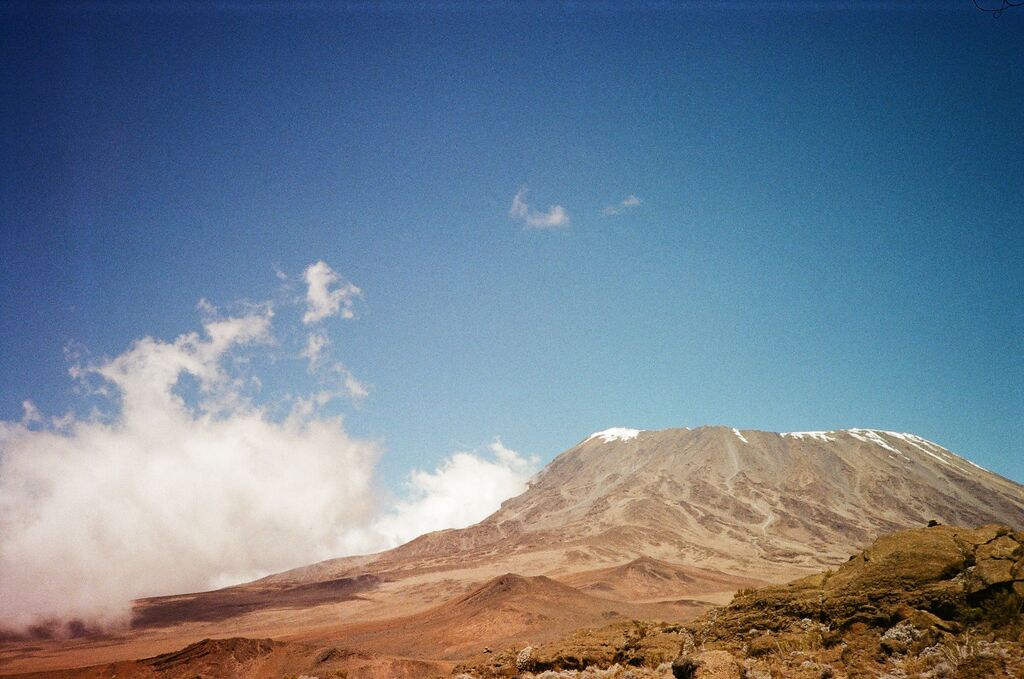
It is one of the classic overland crossings of East Africa: out of Nairobi's morning traffic, south across the Maasai plains, a stop at the border in a dusty town where Maasai women sell beaded bracelets through the bus window, and on a clear day the snow cap of Kilimanjaro floating above the clouds to your left. Six hours, around US$25 by shuttle — and almost every problem on the way is a paperwork problem you can solve at home.
Search our Network. Start here.
Papers first: the checklist
Two countries, two sets of rules, and in 2026 both introduced compulsory inbound insurance. Sort this out before you leave home:
- Kenya: an approved eTA before you fly in — and, since October 2026, the compulsory Kenyan inbound travel health insurance, which the eTA portal now asks for during the application.
- Tanzania: the e-visa from the official portal visa.immigration.go.tz (US$50 single entry; US citizens US$100 multiple entry), or a visa on arrival at Namanga, paid in dollars.
- Tanzanian insurance: the compulsory NIC inbound travel insurance, because Namanga is a mainland entry point. Print the certificate.
- Yellow fever certificate: Tanzania asks for it from travellers arriving from Kenya. Without it you risk being vaccinated at the border or turned back.
- Passport: valid for six months, with empty pages for two stamps.
- Cash: some US dollars in small, clean notes printed after 2009, plus a little Kenyan and Tanzanian money for snacks and toilets.
Not valid here: the East Africa Tourist Visa covers Kenya, Uganda and Rwanda — not Tanzania. If you leave Kenya and want to come back, check whether you need a new Kenyan eTA, because a single-entry authorisation is used up when you leave.
Shuttle, bus or private transfer?
Shared shuttle
Minibuses run by companies such as Impala Shuttle, Riverside Shuttle and the Nairobi–Arusha Shuttle leave Nairobi in the morning, with some pick-ups at hotels and at Jomo Kenyatta Airport. Some continue to Moshi.
Long-distance bus
Large coaches run the same road, some continuing to Dar es Salaam. Cheaper, slower at the border because the whole bus queues together, and less flexible with luggage.
Private transfer
Door to door, stops when you want, and often the fastest. Worth it for families and groups who split the cost — and the obvious choice if you are combining a Kenyan and a Tanzanian safari.
Fly instead
Nairobi to Kilimanjaro or Arusha takes under an hour, but costs far more than the shuttle. If time is short, it is still an option.
The day on the road
The shuttles usually leave Nairobi around eight in the morning. The first hour is spent getting out of the city; then the road runs south through Kajiado County, past cattle, Maasai settlements and the occasional giraffe close to the tarmac. After about two and a half to three hours you reach Namanga, a long, busy border town at the foot of Ol Doinyo Orok.
On the Tanzanian side the road continues past Longido mountain and the Maasai steppe to Arusha, about one and a half to two hours further. Expect to arrive in the early afternoon — around six hours in total, more if the border is busy. On a clear morning, watch to the east for Kilimanjaro; you will not forget it.
At the border
Namanga is a one-stop border post: Kenyan and Tanzanian officials work in the same building, so you exit one country and enter the other in a single hall. The shuttle waits while you go through.
- Kenyan exit: passport stamp, sometimes fingerprints.
- Tanzanian entry: visa check or visa on arrival, yellow fever certificate, and the insurance certificate. Have printouts ready.
- Luggage: usually stays on the bus, but customs may ask you to open it.
- Money changers: they will offer shillings before you even get out. Rates are poor, and counting tricks happen. Change only a little, or use a cash machine in Arusha.
- Souvenir sellers: the beadwork is genuine Maasai work. Bargain, but kindly — this is a living.
Do not take photos of the border buildings or officials. Keep your documents in one folder and give them only to uniformed officers inside the building — not to anyone who "helps" outside.
Combining a Kenyan and a Tanzanian safari
The Maasai Mara and the Serengeti are one ecosystem, but two countries with two park systems. Safari vehicles registered in one country are generally not allowed to drive tourists in the other country's parks, so operators hand you over at the border: your Kenyan driver brings you to Namanga, and a Tanzanian guide and vehicle are waiting on the other side. A good operator plans this with no waiting; a bad one leaves you sitting in a café for two hours.
There is also the western route via Isebania–Sirari, close to the Mara, which leads to Mwanza and the western Serengeti — longer and rougher, but useful if you are following the migration.
The way back, and onward from Arusha
- Back to Nairobi: the shuttles run in the opposite direction in the morning and the early afternoon. You need a valid Kenyan eTA again if your first one was single entry.
- On to Moshi: about an hour and a half from Arusha by road; many shuttles continue there.
- On to Zanzibar: fly from Kilimanjaro or Arusha — about an hour and a half.
From Kenya into Tanzania
A tour that starts in Kenya and crosses into Tanzania, Kilimanjaro airport transfers, and the full seven-day tour. Entrance fees are included in the tour price. Tips for guides and drivers are not included, but they are welcome.
Tour links are affiliate links and open in a new tab: if you book, we may earn a small commission at no extra cost to you.
More from the Tanzania travel blog
Dar es Salaam to Zanzibar: ferry or flight? Which Kilimanjaro route? Seven days on the northern circuit All blog posts
Kenya Web News Kenya's national parks Ghana Flights: Nairobi Uganda All African Radio Stations
Published and fact-checked . Entry rules in Kenya and Tanzania changed twice in 2026 — check both before you travel. All text © Remo Kurka.