Which Kilimanjaro Route? Marangu, Machame, Lemosho, Rongai Compared
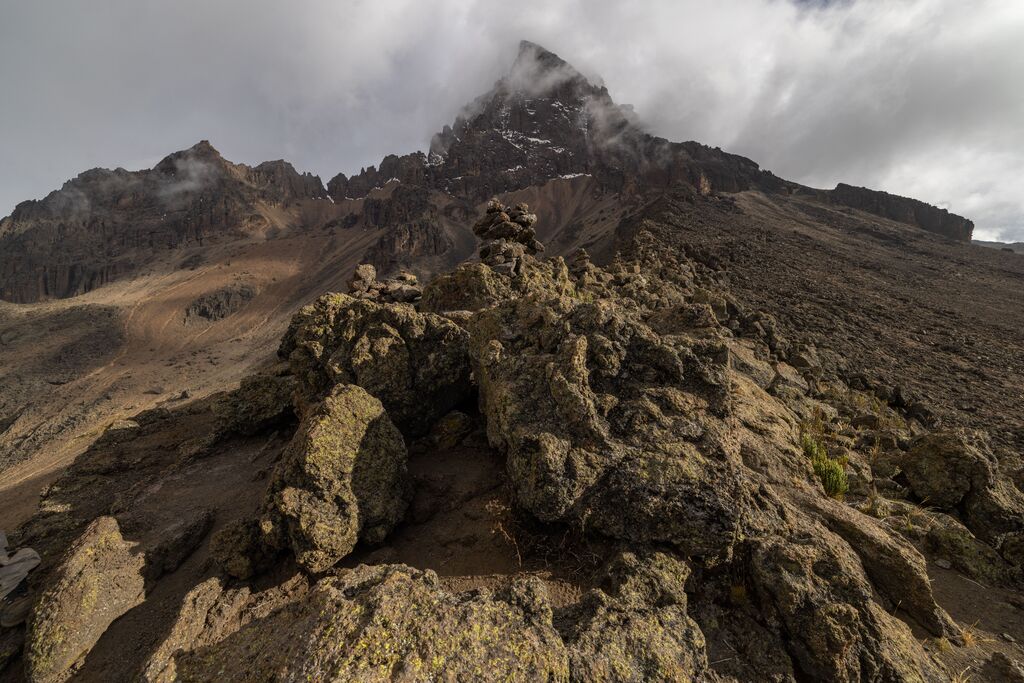
Tanzania travel blog · Capital: Dodoma · Kilimanjaro, 5,895 m
Which Kilimanjaro route? An honest comparison
Every year, thousands of people pay for a Kilimanjaro climb and never see Uhuru Peak. Most of them were fit enough. What stopped them was altitude — and very often a route and a number of days chosen to save money. Here is how the routes really differ, why the cheapest climb can be the most expensive mistake, and the questions to ask an operator before you pay a single dollar.
Search our Network. Start here.
The one rule that matters: days
Your body needs time to adapt to thin air. Above about 3,000 metres every extra night helps, and on summit night you climb from roughly 4,600 metres to 5,895 metres, where there is about half the oxygen of sea level. The routes differ in scenery, crowds and comfort — but the biggest single factor for reaching the top is how many days you give yourself.
- 5 days: possible on Marangu, but a gamble. Operators themselves report clearly lower summit rates on short climbs.
- 6 days: the minimum we would consider, ideally with an acclimatisation day.
- 7–8 days: the sweet spot for most people — better odds, a more enjoyable climb, less suffering.
- "Climb high, sleep low": routes that go up to a higher point during the day and sleep lower down acclimatise better.
Route by route
Marangu — the "Coca-Cola route"
The oldest route and the only one with huts: dormitory bunks in A-frame huts, a dining hall, even a soft drink at the camps. It comes in from the south-east, through rainforest, and goes up and down the same way. It is sold as the easy option. It is not: the gradient is gentle, but the short versions give your body little time, and the descent on the same path is monotonous. Choose six days, not five, if you want huts.
Machame — the "Whiskey route"
The most popular camping route, starting on the south-west side. Beautiful and varied: rainforest, the Shira plateau, the Lava Tower and the famous scramble up the Barranco Wall. The profile is good for acclimatisation, but it is busy — in high season, campsites fill with dozens of tents. Seven days rather than six makes a real difference.
Lemosho — the long, quiet start
Starts further west, through quieter forest where you may see colobus monkeys, then crosses the whole Shira plateau before joining the Machame route. Usually seven or eight days, which gives some of the best summit odds on the mountain. More expensive, because more days mean more park fees and more crew wages. Our favourite.
Rongai — from the north
The only route from the north, near the Kenyan border. Drier, often less crowded, with a wilder feel and good chances in the rainy season. The scenery is less dramatic in the first days. Descent is down the Marangu side, so you see two sides of the mountain.
Northern Circuit — the longest way
Starts like Lemosho, then circles around the quiet northern slopes before the summit. Eight or nine days, very few people, superb acclimatisation, the highest price. For those with time and money, the best experience the mountain offers.
Umbwe — steep and direct
Short, steep, and only for experienced trekkers who already know how they react to altitude. Not a route to save money on.
The fixed costs every climber pays
Kilimanjaro National Park charges by the day and the night, not as one ticket. For a foreign adult in 2026 the base rates are:
- Conservation fee: US$70 per day on the mountain.
- Camping fee: US$50 per night — or US$60 per night for the huts on Marangu.
- Rescue fee: US$20 once per climb.
- VAT: 18% on top of these fees.
- In total: park fees alone come to roughly US$950 for a seven-day climb and around US$1,100 for eight days — before a single guide, porter, tent or meal is paid.
These fees are usually included in the operator's price. Tips are not included, but they are expected and welcome; budget a few hundred dollars per climber for the crew.
Why the cheapest offer is risky
Do the sum. If the park fees alone are close to a thousand dollars for a week, and someone offers you the whole climb for little more than that, the saving has to come from somewhere. Usually it comes from:
- The porters: lower wages, heavier loads, no proper boots or sleeping bags for the people carrying your kit through freezing nights.
- The days: a five-day schedule instead of seven.
- The safety: no oxygen bottle, no pulse oximeter, guides without proper first-aid training, no clear evacuation plan.
- The food: and you will need every calorie on summit night.
In October 2026 the UK Foreign Office reported wildfires in the Kilimanjaro area. Ask your operator about the current situation on your route, and make sure your insurance covers trekking up to 6,000 metres and helicopter evacuation.
Questions to ask before you pay
- Is the company a partner of the Kilimanjaro Porters Assistance Project (KPAP), or does it follow its guidelines on wages, loads and equipment?
- How many crew per climber, and what is the maximum load each porter carries?
- Do the guides check oxygen saturation twice a day, and is there emergency oxygen on the climb?
- What is the evacuation plan, and who pays if I have to come down early?
- Are all park fees, the rescue fee and VAT included in the price?
- What tip amounts do you recommend, and how are tips distributed so every porter receives his share?
Our verdict
Lemosho
Quiet start, beautiful scenery, the best odds for the money.
Machame
Spectacular and well acclimatised — if you can live with the crowds.
Rongai
Drier, calmer, good in the rainy months.
Marangu
Only if you really want a bed and a roof — and never on five days.
Kilimanjaro transfers and tours
Transfers from Kilimanjaro International Airport to Moshi and Arusha, day trips, and longer tours through the north. Entrance fees are included in the tour price. Tips for guides and drivers are not included, but they are welcome.
Tour links are affiliate links and open in a new tab: if you book, we may earn a small commission at no extra cost to you.
More from the Tanzania travel blog
Seven days on the northern circuit Nairobi to Arusha over the Namanga border Dar es Salaam to Zanzibar: ferry or flight? All blog posts
Kenya's national parks Ethiopia Uganda All African Radio Stations
Published and fact-checked . Park fees are revised from time to time — check the current rates with your operator. All text © Remo Kurka.